
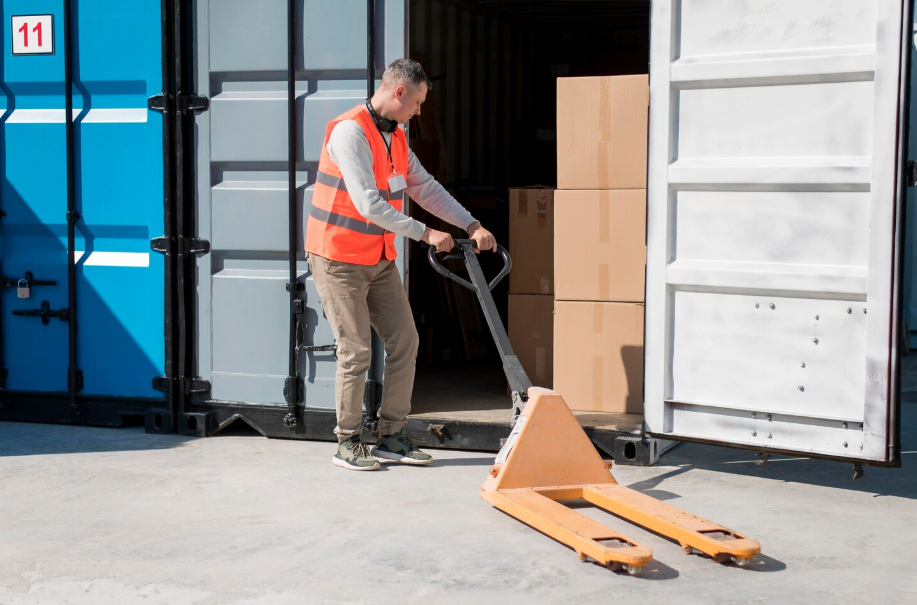
A pallet jack is an essential piece of equipment in warehouses, factories, and logistics operations. It allows workers to lift and transport heavy pallets and goods efficiently, improving workflow and reducing physical strain. In modern warehouse environments, selecting the right pallet jack is crucial for safety, productivity, and cost-effectiveness.
Pallet jacks come in manual, electric, and specialised variations, each designed to suit different operational needs. Understanding their features, capacities, and applications ensures you choose the best tool for your warehouse.
Types of Pallet Jacks
Manual pallet jacks are commonly used for short distances and lighter loads. They rely on hydraulic lifting mechanisms operated by hand, making them simple, durable, and cost-effective.
Electric pallet jacks are powered by batteries, allowing operators to lift and move heavier loads with minimal physical effort. These are ideal for larger warehouses, high-volume operations, or facilities with long travel distances.
Specialised pallet jacks, such as narrow-aisle or low-profile models, cater to unique storage requirements. They provide access to tight spaces and can handle non-standard pallet sizes.
Key Features to Consider
When selecting a pallet jack, several features are important. Load capacity is critical—choosing a jack that can safely handle the heaviest expected loads prevents damage and ensures operator safety.
Fork length and width should match the pallets in use, allowing for secure lifting and movement. Ergonomic handles, smooth-rolling wheels, and reliable braking systems improve comfort and control. For electric models, battery life and charging time are important considerations.
Safety Considerations
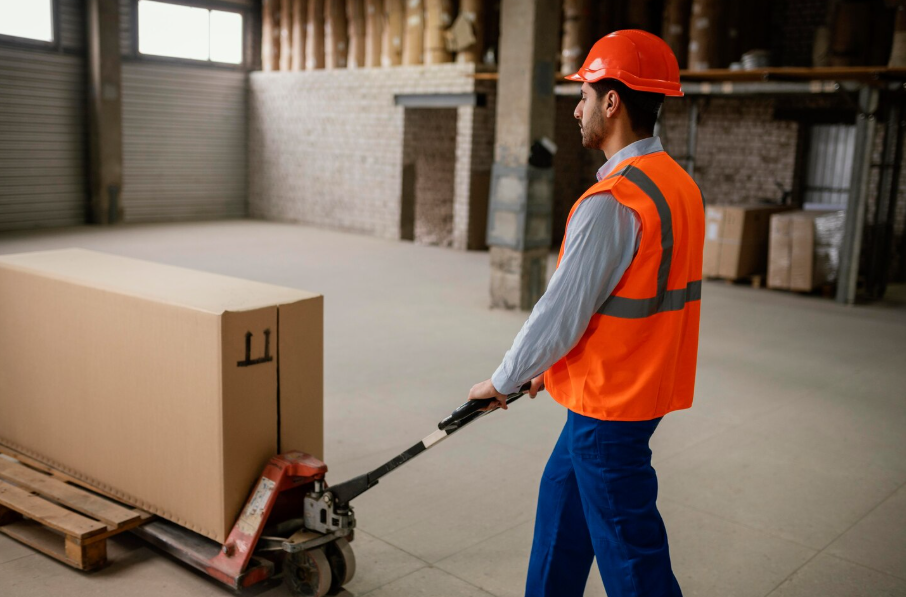
Safety is a top priority when using pallet jacks. Operators should be trained in proper lifting techniques, load handling, and manoeuvring. Regular maintenance, including checking hydraulic systems, wheels, and brakes, reduces the risk of accidents.
Using pallet jacks on even surfaces and avoiding overloads ensures stability. High-quality jacks often include built-in safety features such as overload protection, non-slip handles, and durable wheels designed for warehouse floors.
Maintenance and Longevity
Proper maintenance extends the lifespan of pallet jacks and ensures reliable performance. Regular inspections for wear and tear, lubrication of moving parts, and keeping the equipment clean prevent malfunctions.
Replacing worn wheels, checking hydraulic oil, and ensuring battery health for electric jacks are critical maintenance tasks. Well-maintained pallet jacks minimise downtime and improve operational efficiency.
Conclusion
Pallet jacks are indispensable tools for modern warehouses, providing a safe and efficient method for moving heavy loads. Choosing the right type, considering load capacity, design features, and safety aspects, ensures smooth and productive operations.
By investing in quality pallet jacks and maintaining them properly, warehouses can enhance workflow, reduce injuries, and increase overall efficiency. Understanding your warehouse’s specific needs helps you select the equipment that best supports daily operations.
FAQs
What types of pallet jacks are available?
Manual, electric, and specialised models exist, each designed for different load capacities, distances, and warehouse layouts.
How do I choose the right pallet jack for my warehouse?
Consider load capacity, fork dimensions, floor conditions, and the distance goods need to be moved.
What safety measures should be followed when using a pallet jack?
Operators should receive proper training, avoid overloading, use even surfaces, and maintain the equipment regularly.
How can I maintain a pallet jack for long-term use?
Inspect for wear, lubricate moving parts, check hydraulic systems and wheels, and maintain battery health for electric models.